 Fairy Land
The World of
Magical Creatures
Fairy Land
The World of
Magical Creatures
Who Is Baba Yaga?
Baba Yaga is probably the best-known character from Slavic folklore. At first sight, it reminds us of witches from other parts of the world, but she is way more complex than, for instance, a witch from Hansel and Gretel.
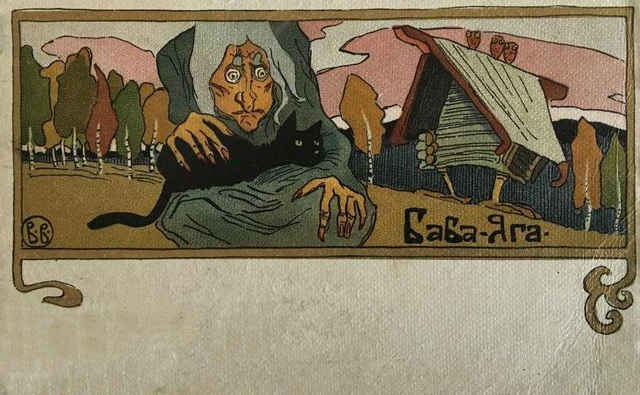
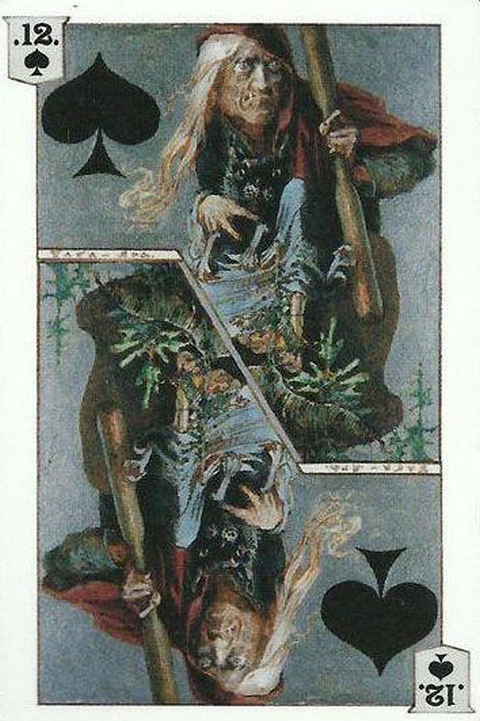
While most articles about this character focus on her look, we need to address a much more important characteristic of Yaga Baba: she often acts as an ambivalent force, some kind of a tester of the main character's ability to handle life changes. If the protagonist fulfills the challenge (s), Baba Yaga will help them with her magical powers.
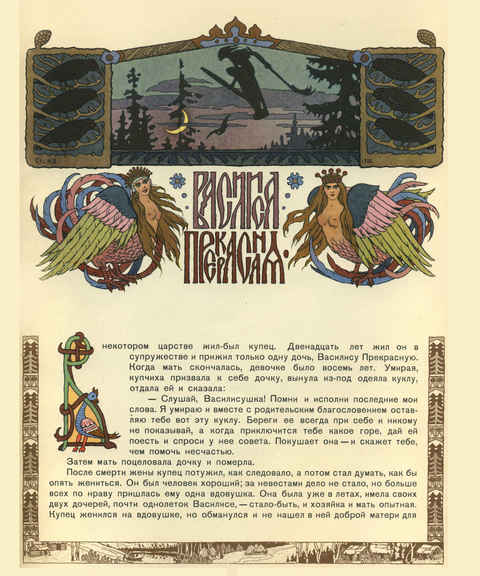
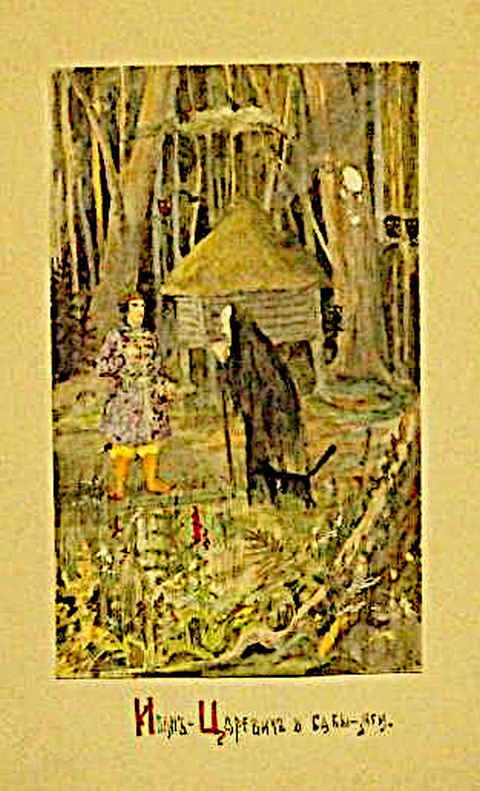
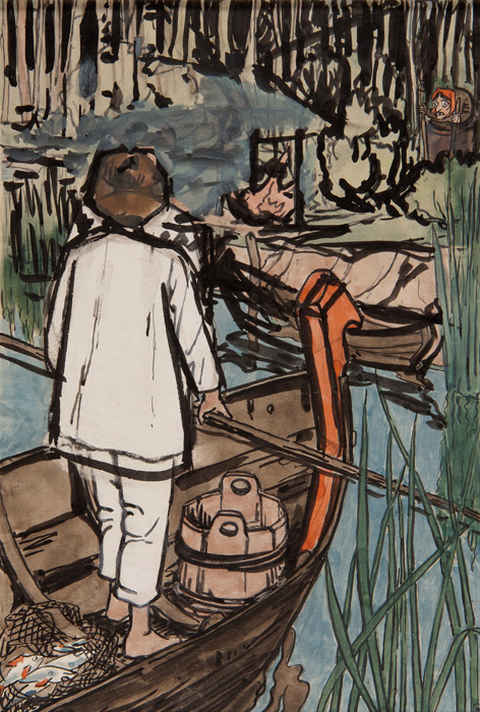
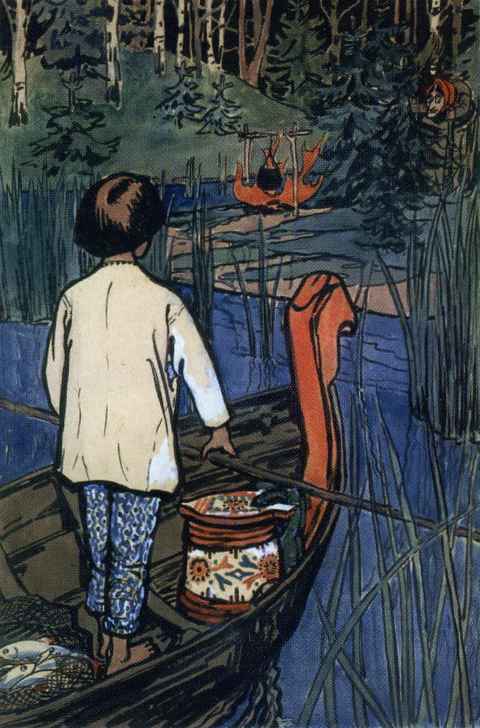
Above: two variations from Synko Filipko by Elena Dmitrievna Polenova
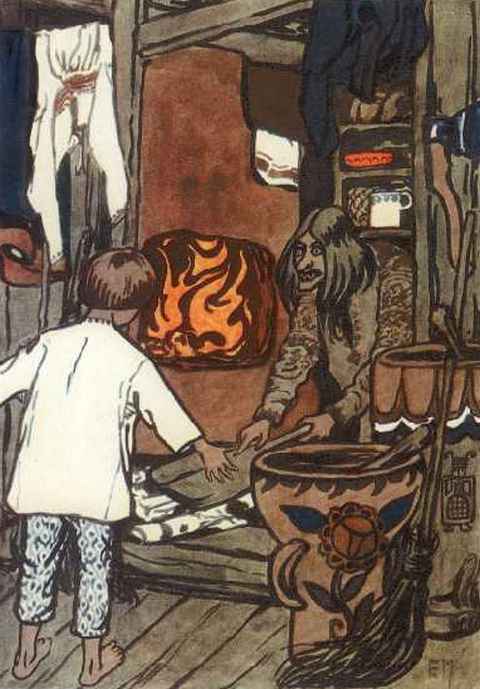
Baba Yaga symbolically represents the wild forces of nature. She can be tricked (often, she is) but undestructed. Just like the wilderness, or, if you want, the chaos, she is undefeatable in the long term. As bessems to a witch, she may be accompanied by a back cat, as well.
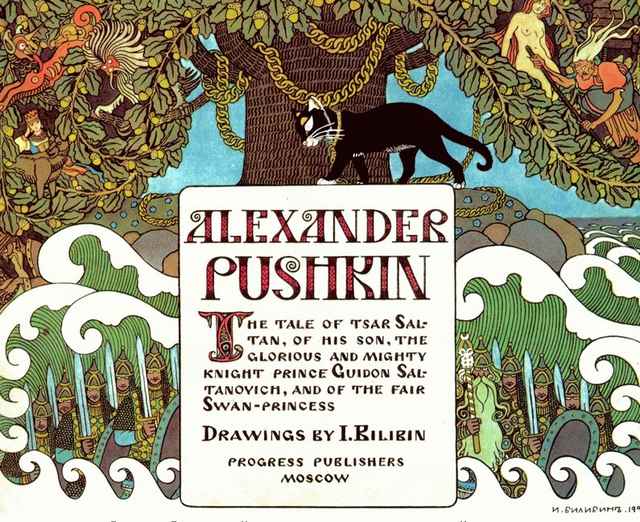
In some cases, Baby Yaga also acts as a fortune teller, similar to Pythia, the high priest of the Temple of Apollo at Delphi.
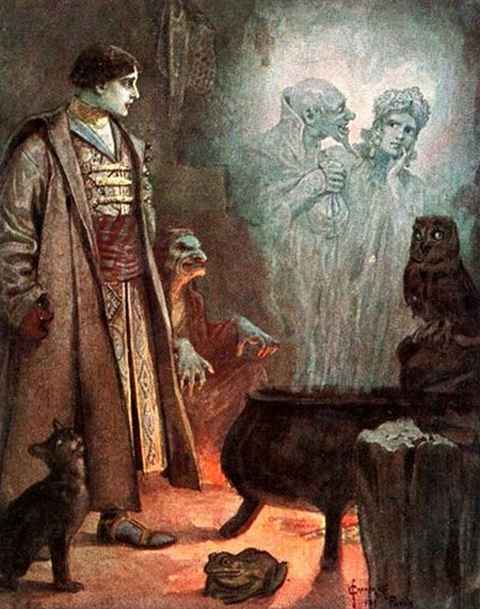
Baba Yaga Meaning
Baba Yaga's name varies by country, and even if the name is the same, it can have different meanings. About half of the East European countries (including Balkan) translate 'baba' as 'grandmother,' and the other half as 'crone.' Yaga is even more complex. The meaning is associated with 'anger,' 'disease,' horror,' and 'witch.' In different countries, she may also appear under other names and with more or less similar powers. The area of Baba Yaga on the west stops at a character, which can also serve as her synonym: Mother Holle.
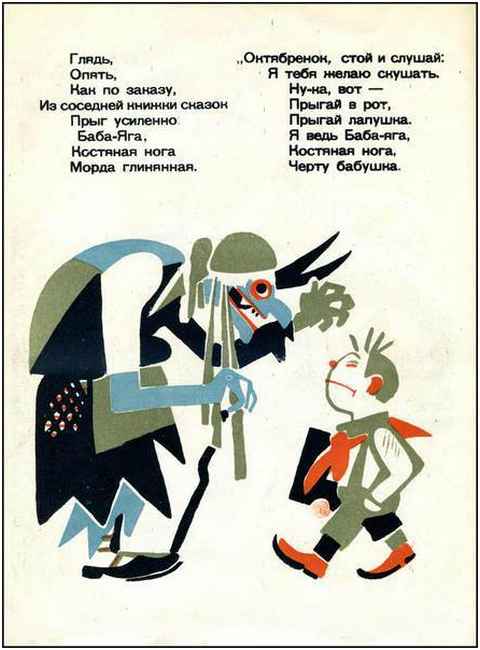
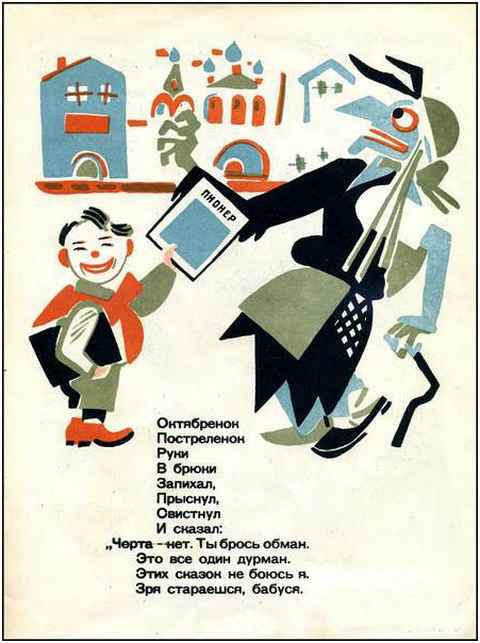
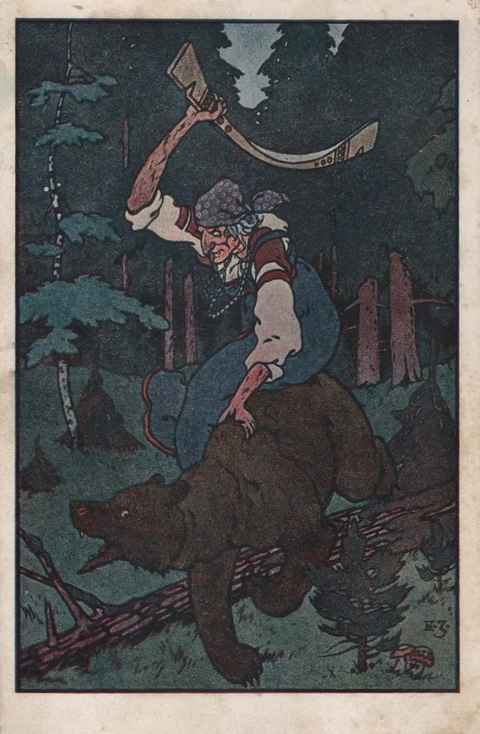
Above: Two illustrations from the textbook (Little Octobrist), published in 1925 by Igor Malyutin (1891-1932).
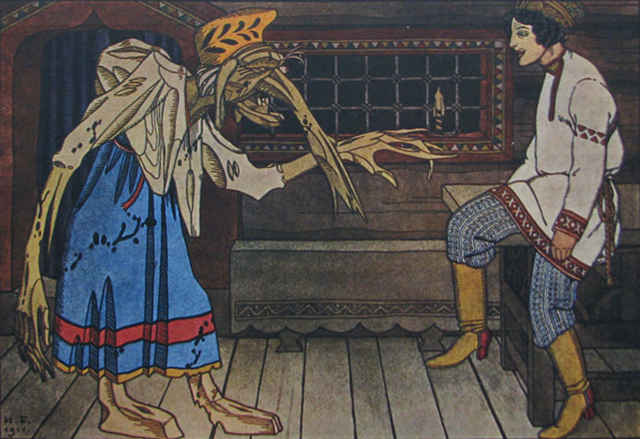
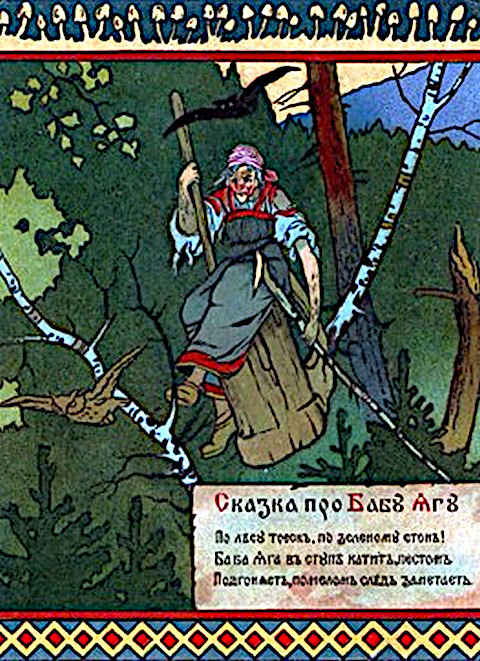
Baba Yaga's appearance may vary even inside a specific folklore and by the same artist (in this case, Ivan Bilibin).
Baba Yaga's Hut
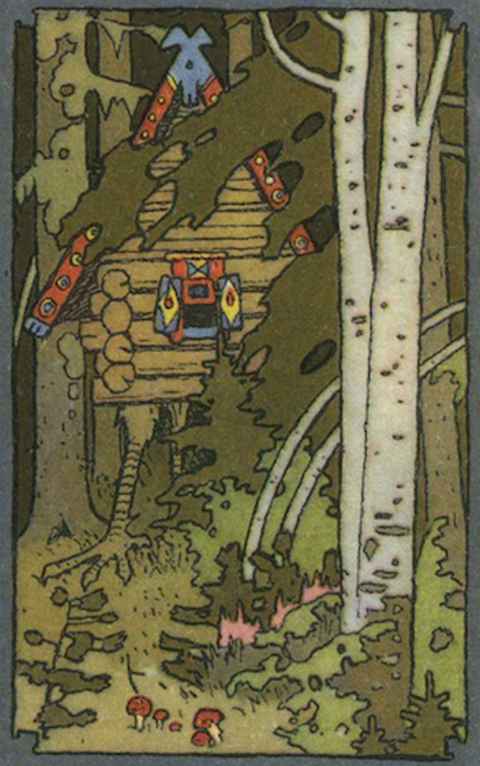
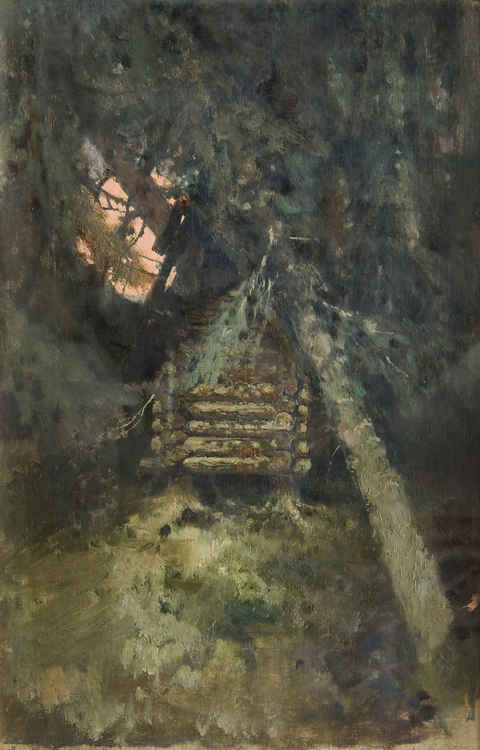
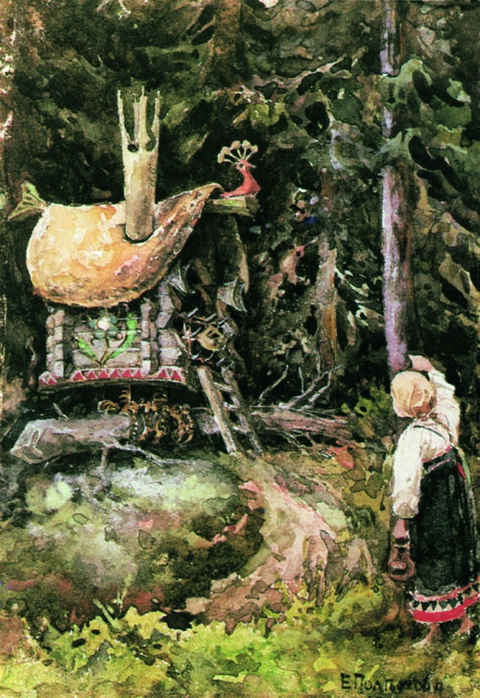
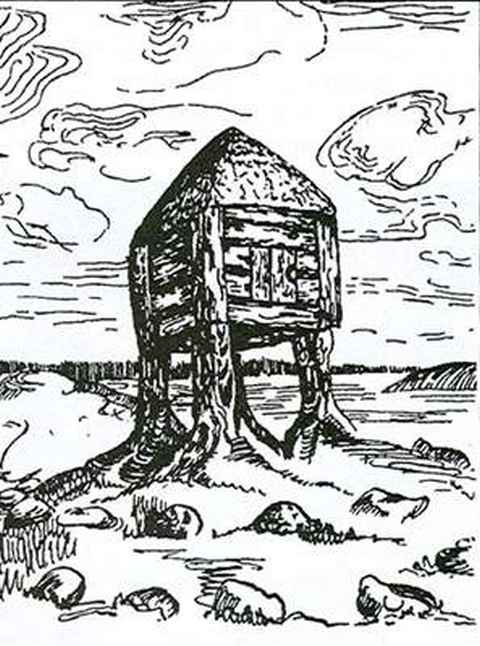
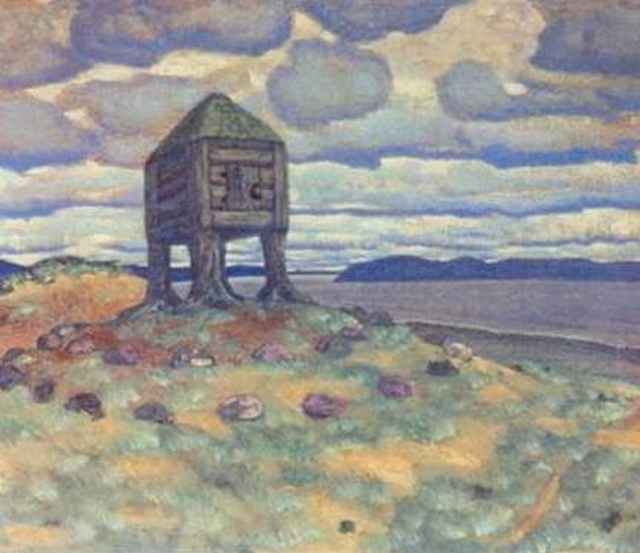
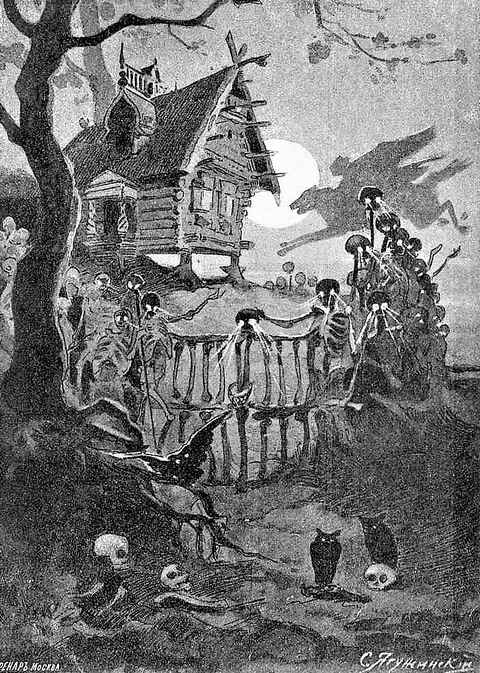
Baba Yaga lives in a specially designed cottage built on giant chicken legs (one of her nicks is 'Baba Yaga, bony legs'). Her hut is non-stop spinning, so you never know from which side you can enter. Similar huts could be found in the North, always in the woods, built by Finno-Ugric people on the stumps with the roots so they could be moved, if necessary. Such cottages were used for storage, not for living.
Her hut can be found 'far, far away, in the thirty-ninth kingdom', deep in the woods, one of the most powerful symbols of human's subconscious and a popular place for transformations, typical for fairy tales.
Baba Yaga's Mortar
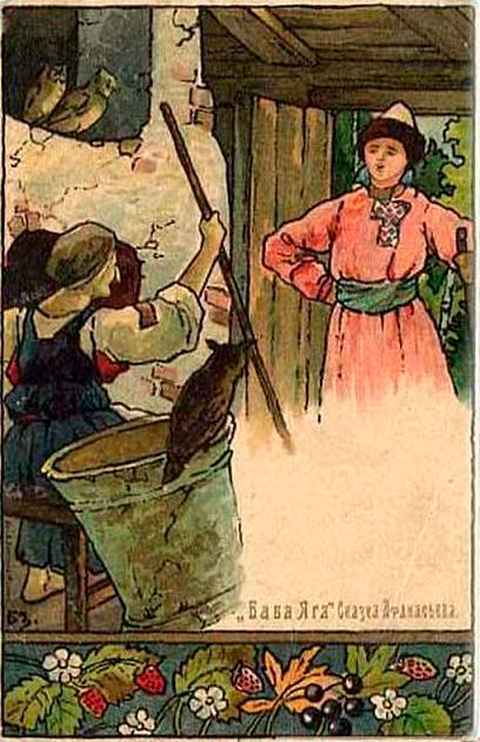
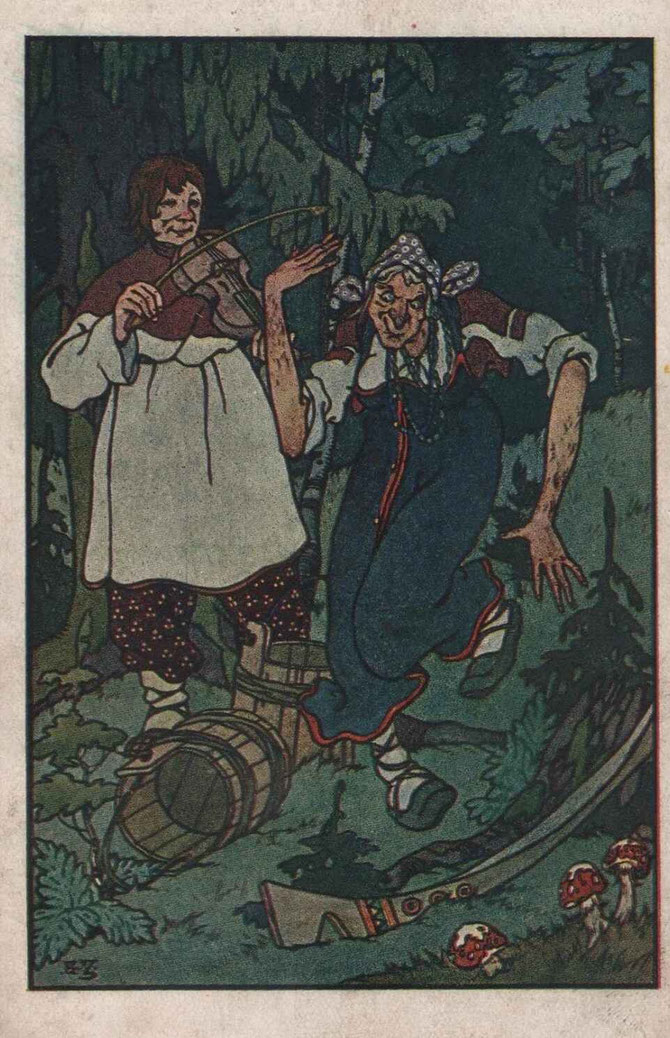
While most of the witches we are familiar with ride a broom, Baba Yaga uses a large mortar. She has a pestle for maneuvering. In rare cases, she uses a broom to cover her traces. She can ride it, too. All these objects are traditionally used by women, and they are also part of ancient pagan rituals. Especially the mortar can be used as a weapon, too. So don't be surprised to find the fence around Baba Yaga's hut decorated with human skulls!
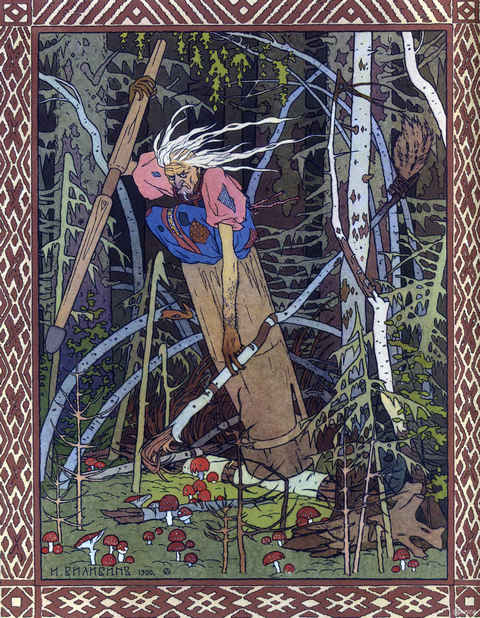
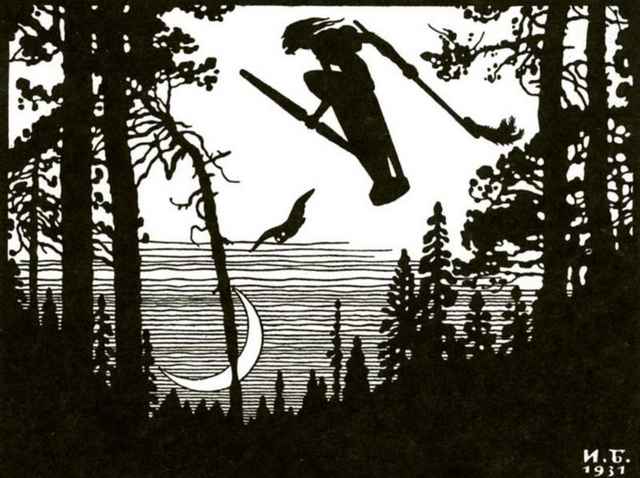
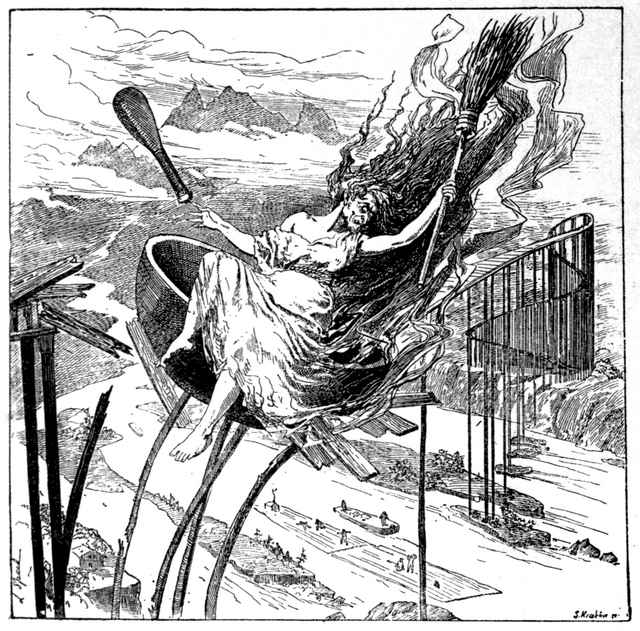
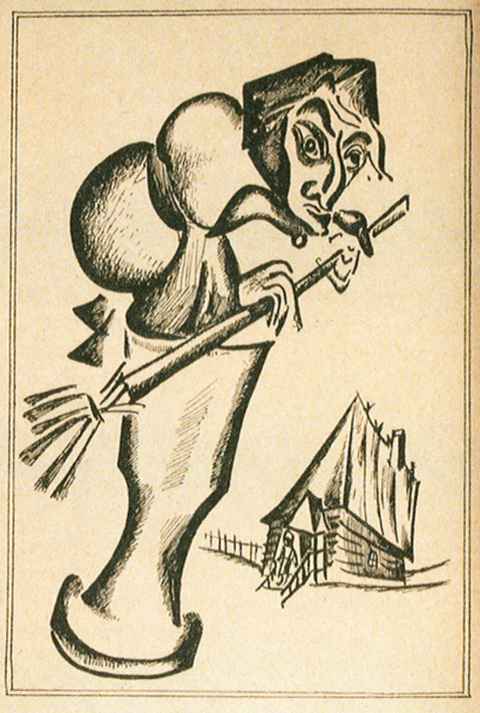
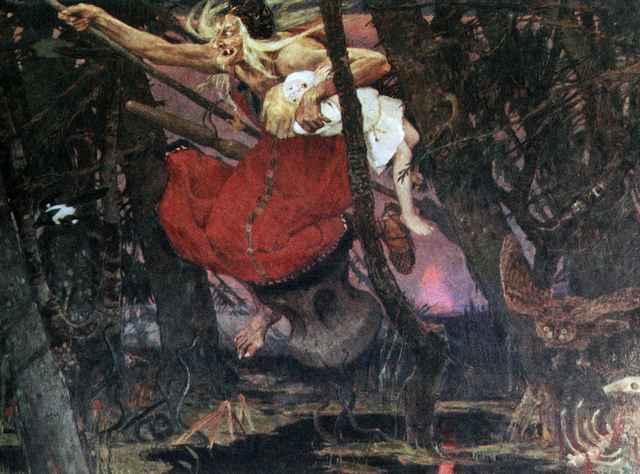
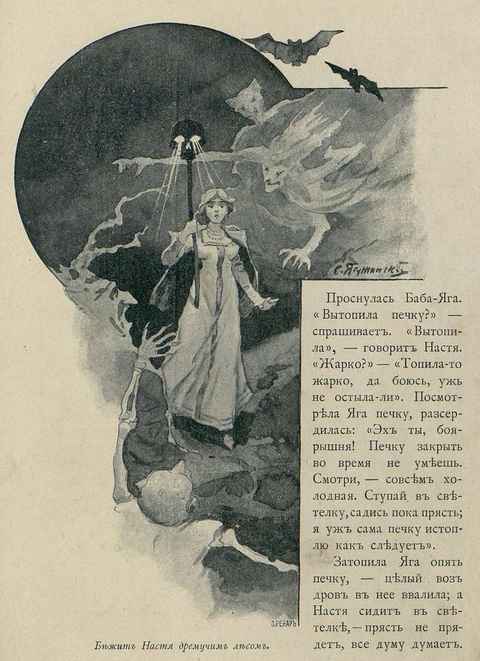
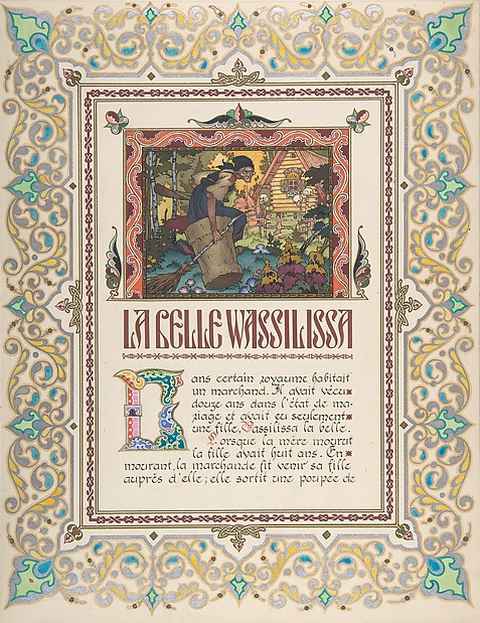
Considering her means of transport, Baba Yaga reminds us of Easter witches from Sweden and Finland with their indispensable tea kettles.
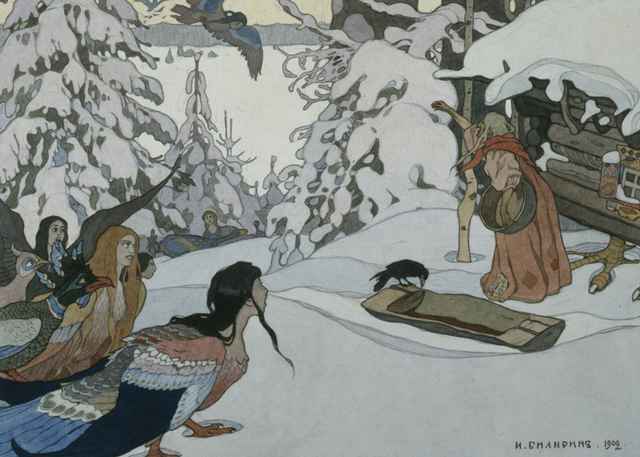
Here are a few more images of Baba Yaga by the most prolific illustrators of her character:
Ivan Yakovlevich Bilibin (1876-1942)
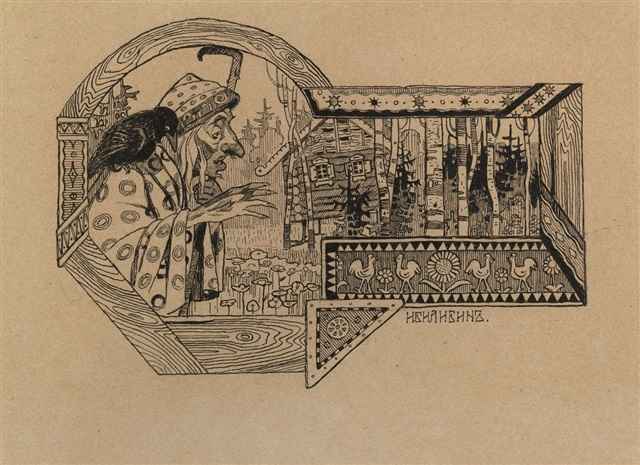
Nikolai Nikolaievich Karazin (1842-1908)
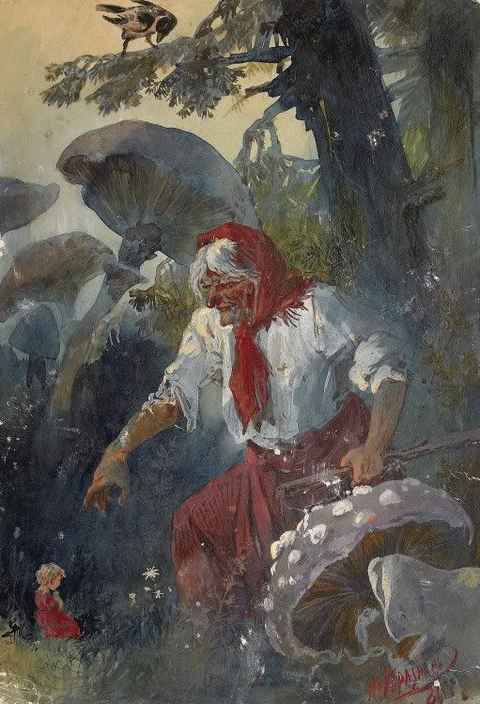
Boris Vasilyeich Zvorykin (1872-1942)
Considering Baba Yaga's complexity and rising popularity, we'll probably add more about her in the future. Bookmark this page for further reference.